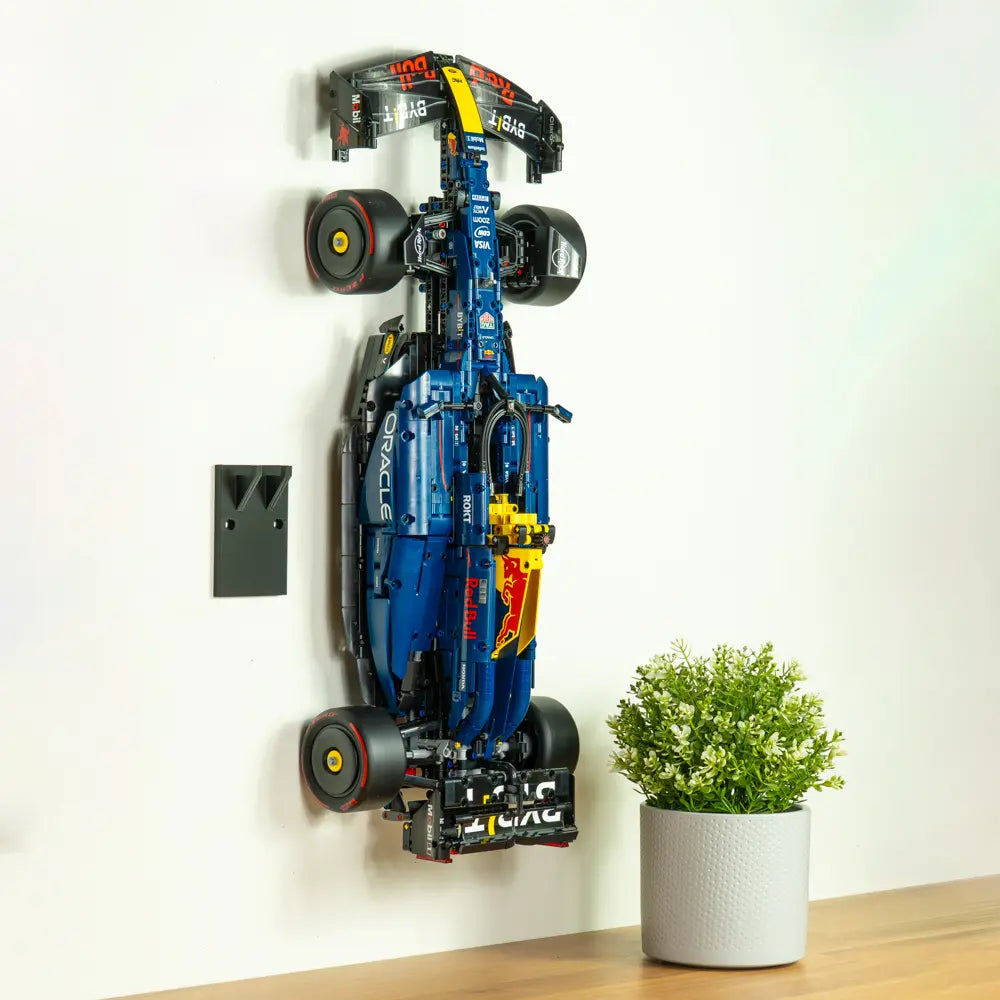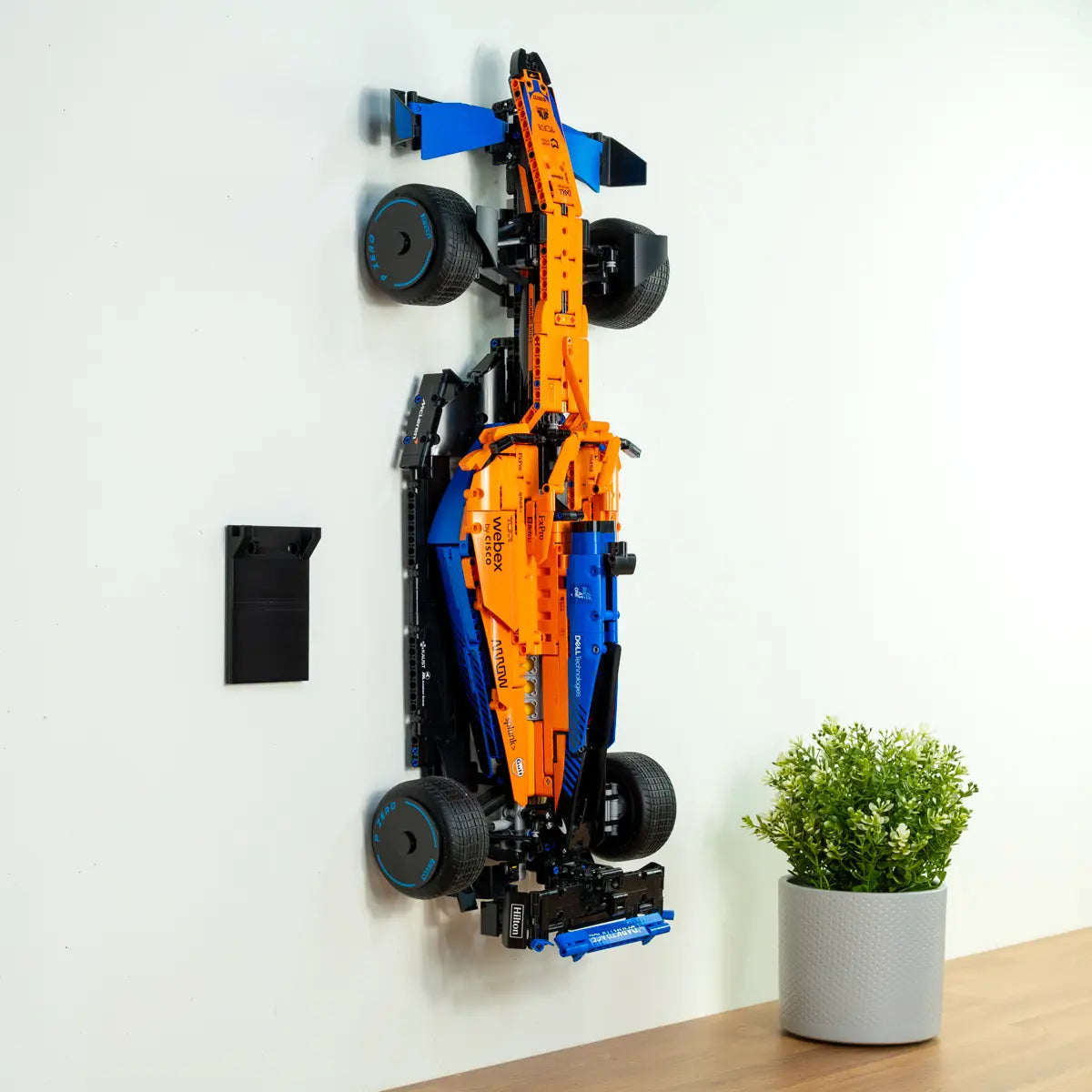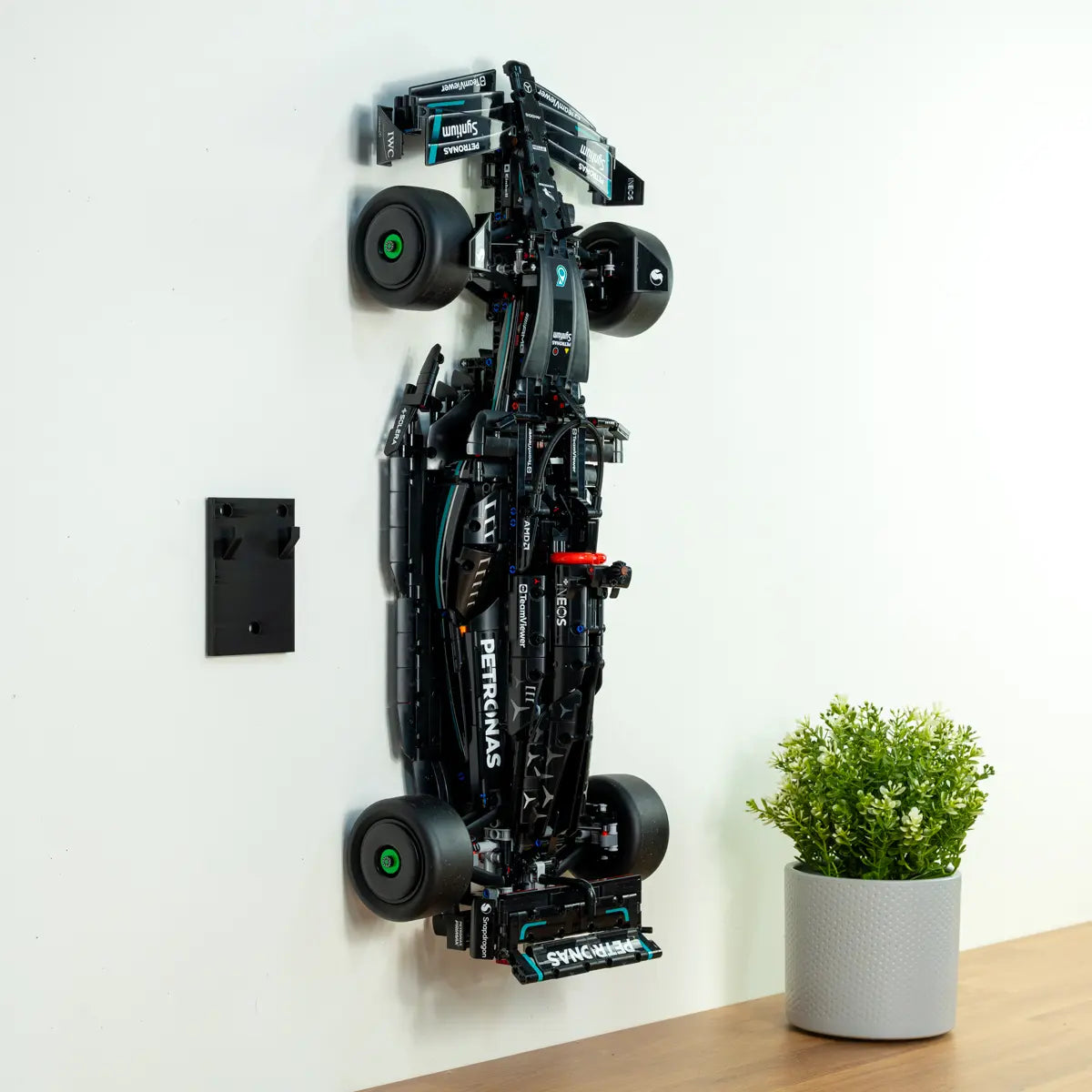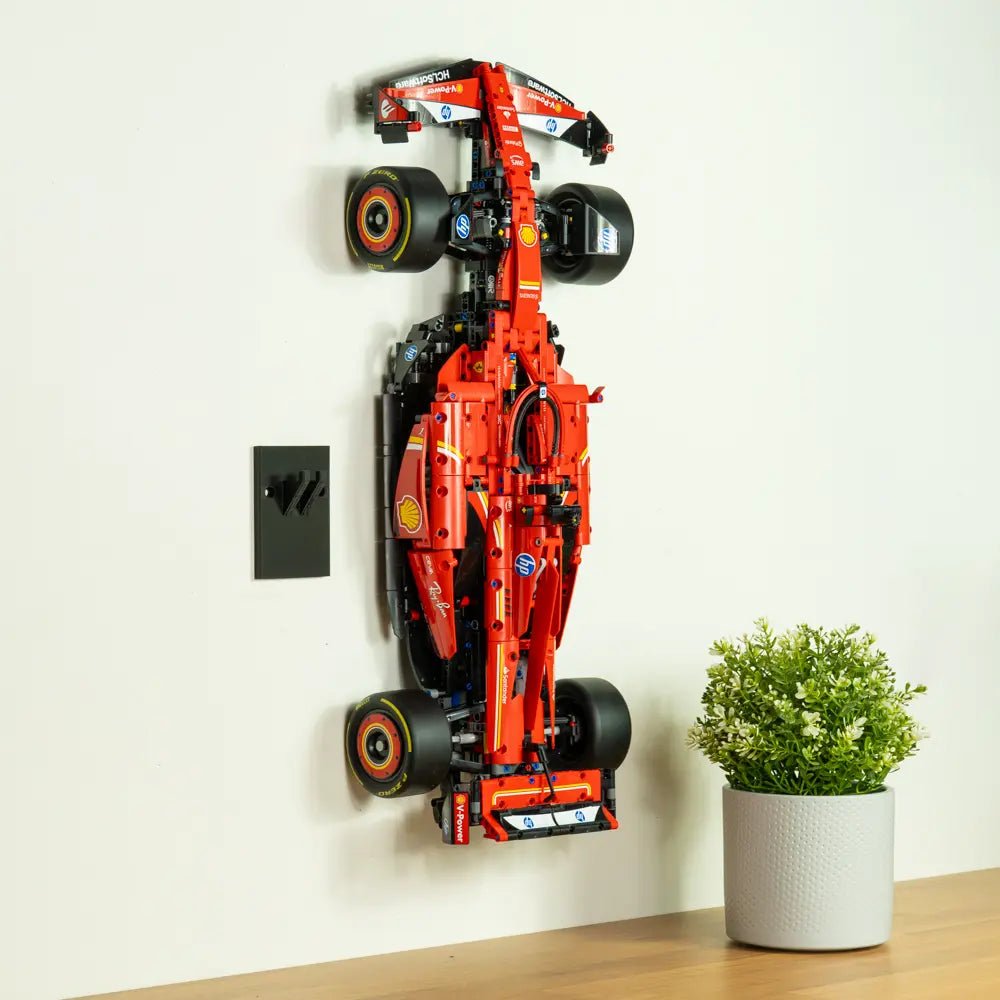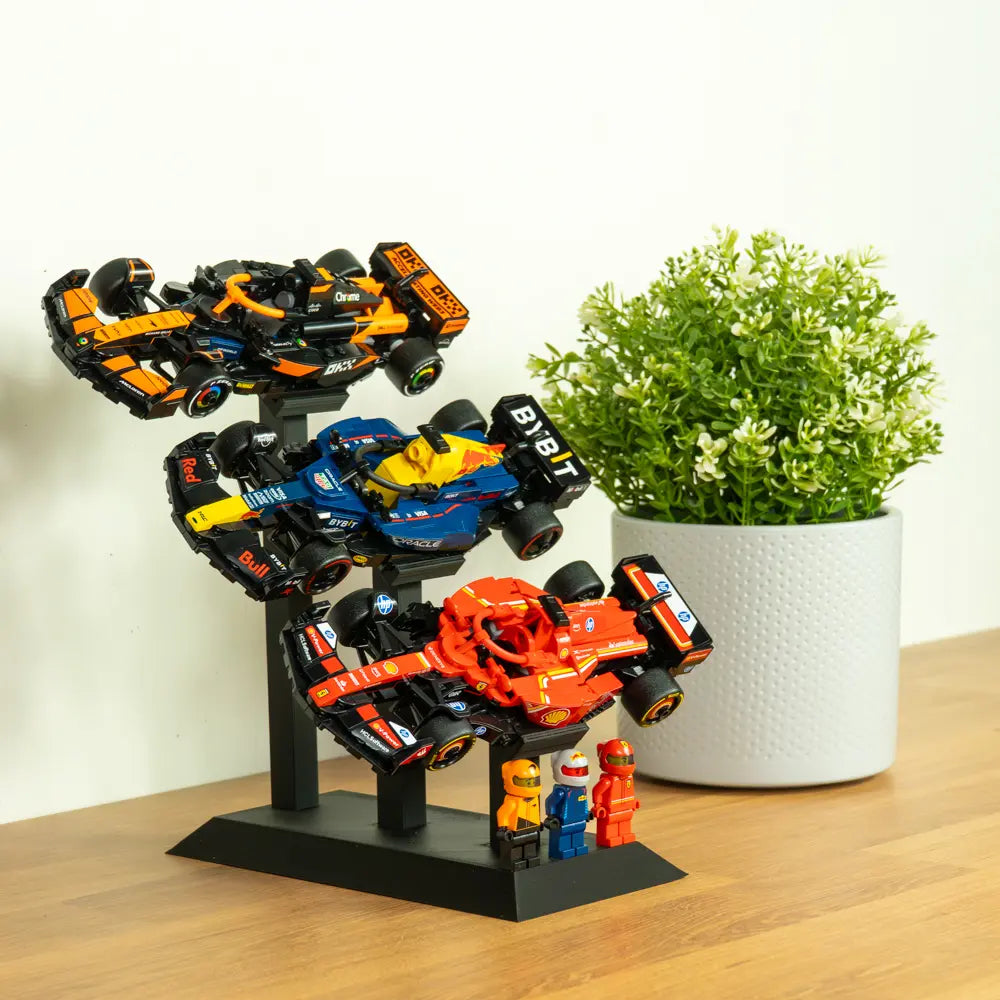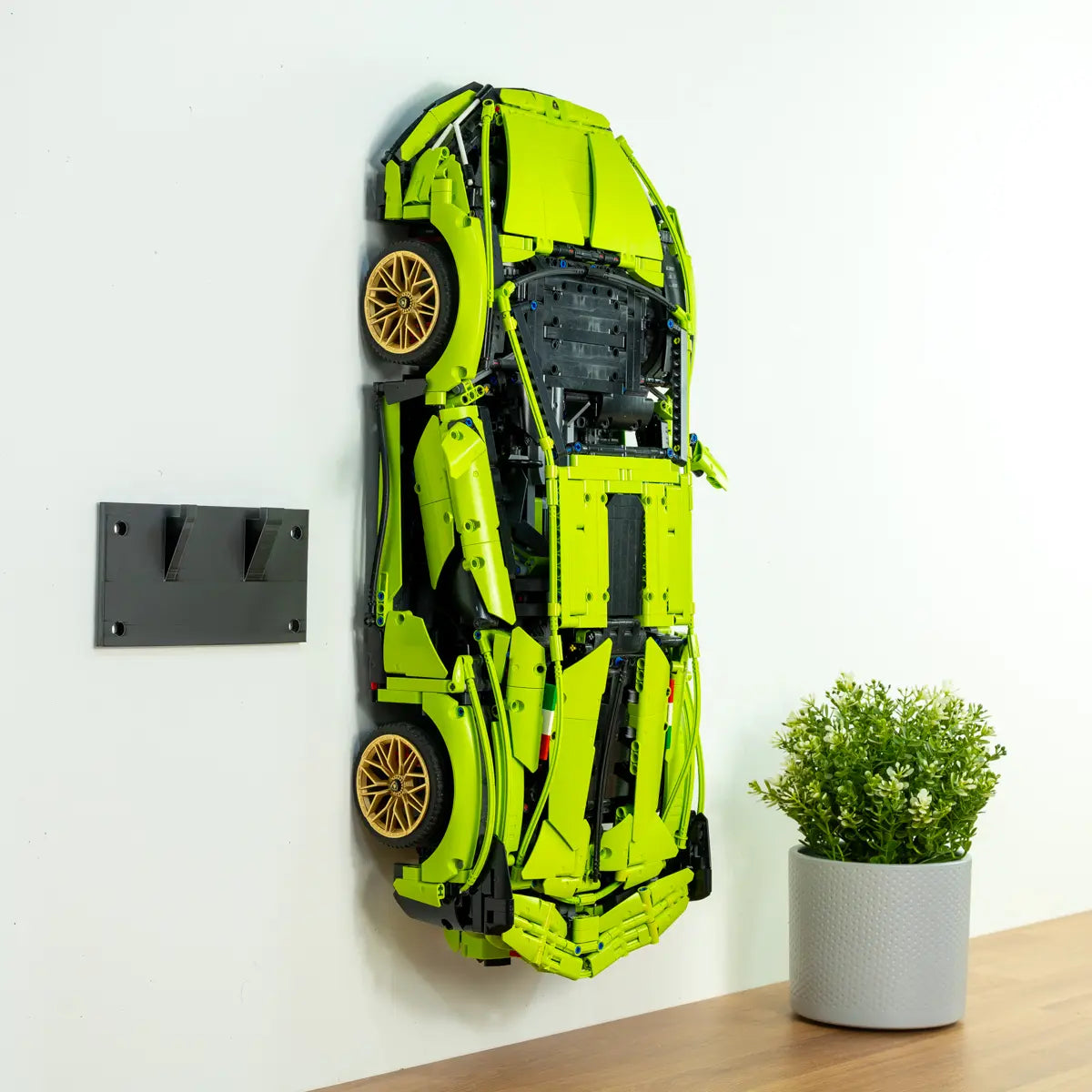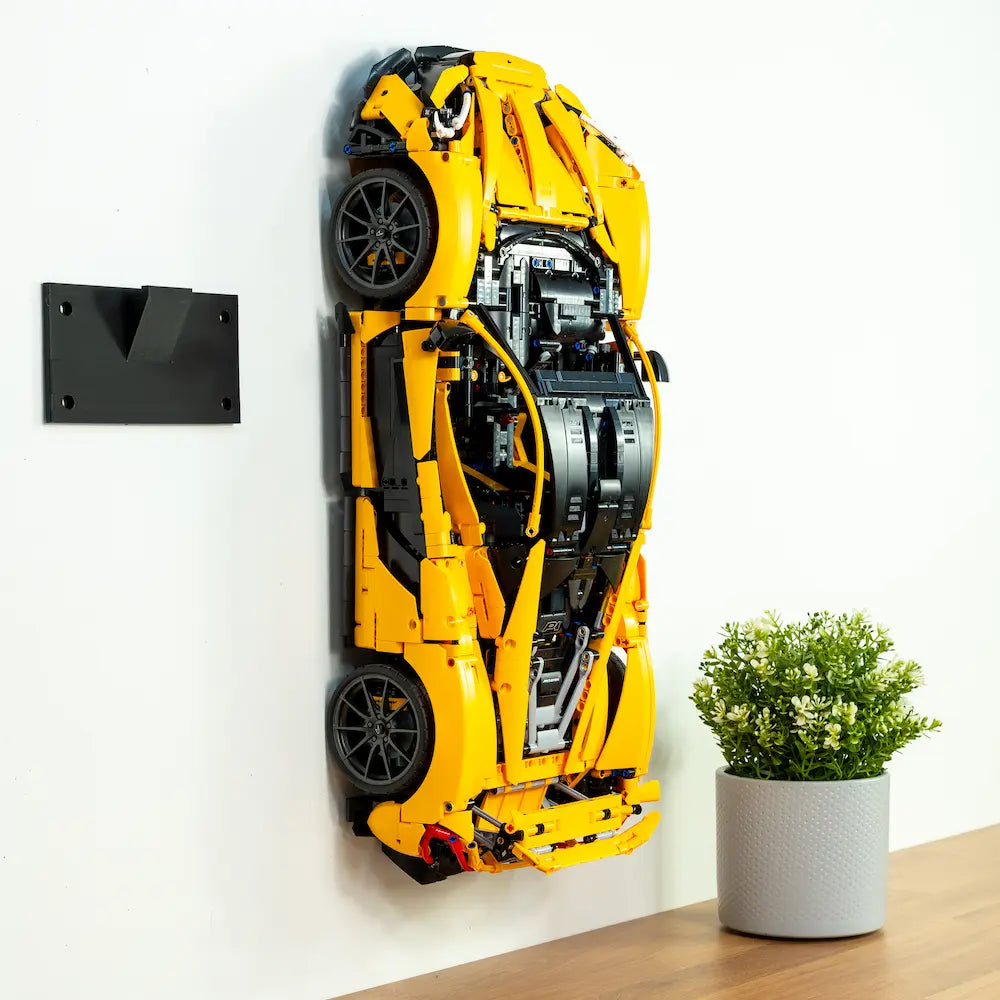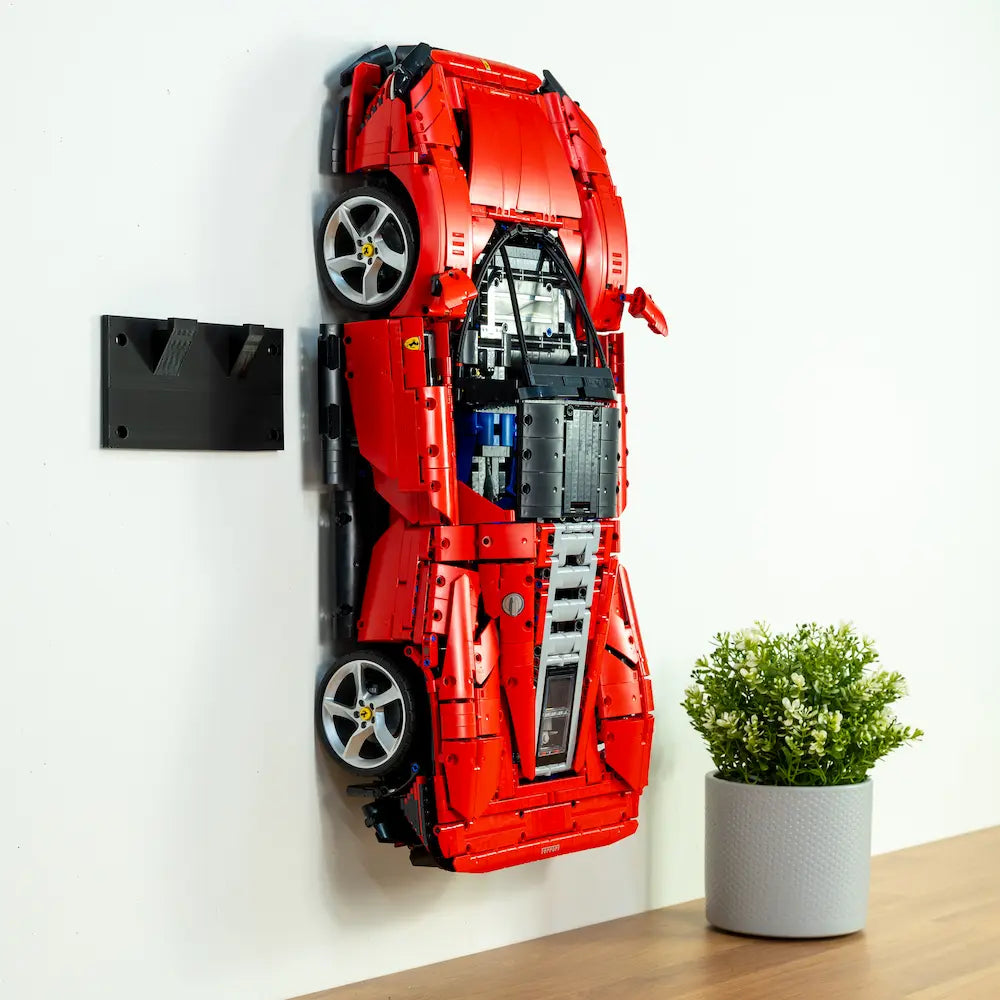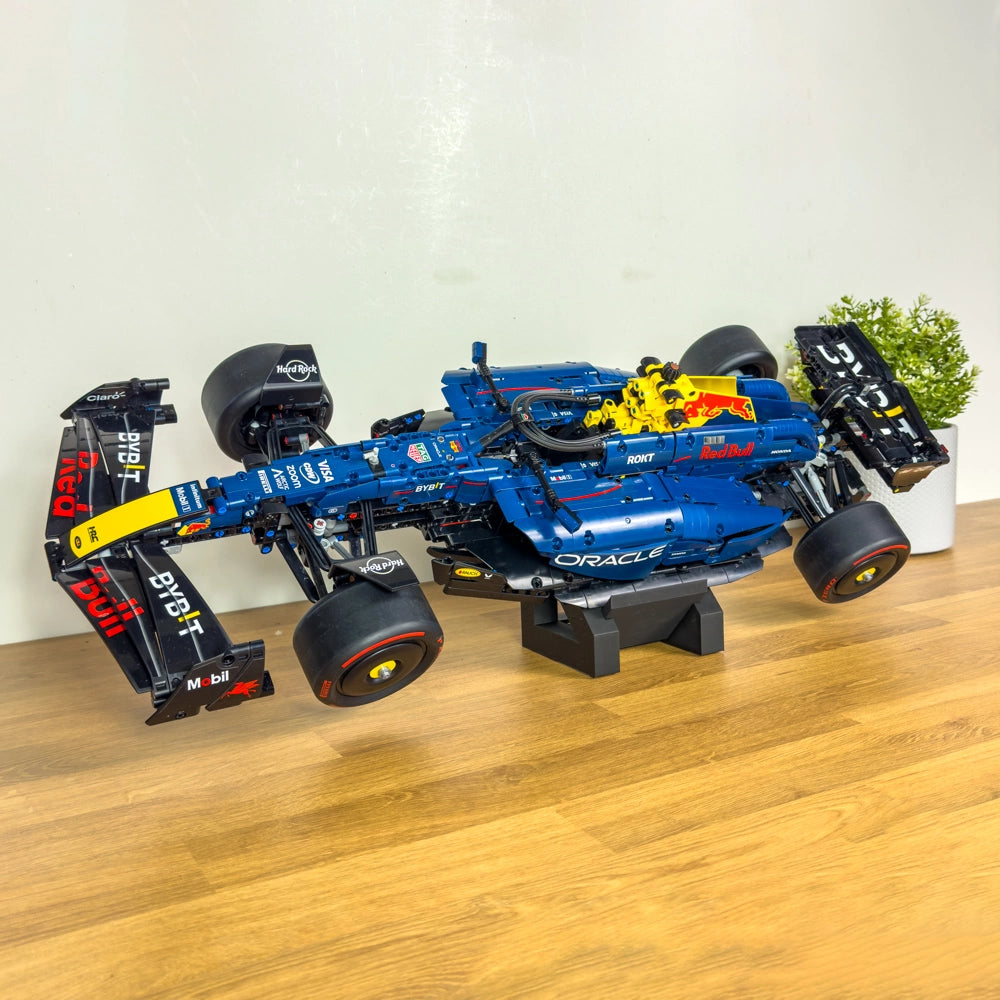


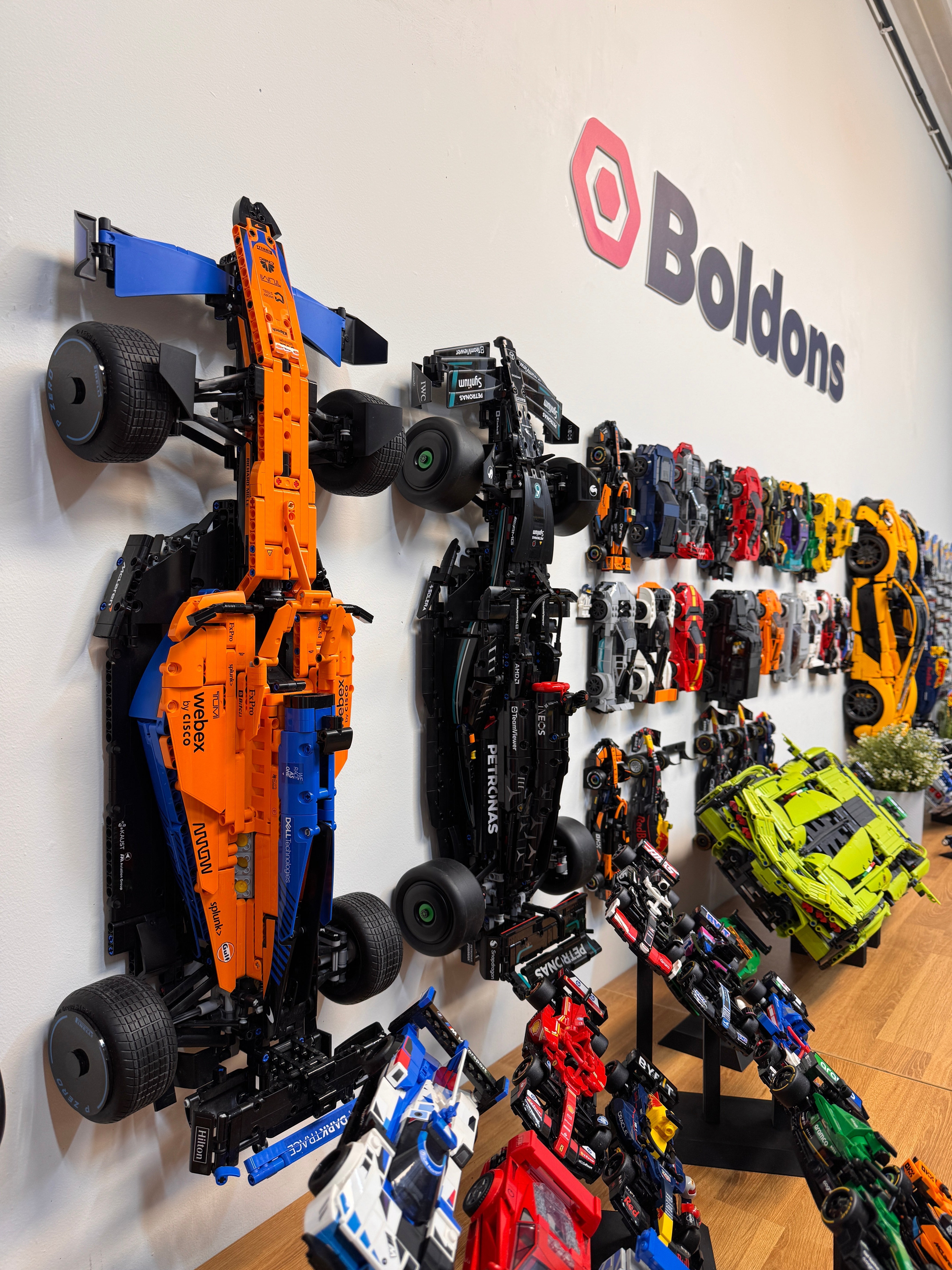
For many LEGO fans, building cars is primarily about fun and relaxation. However, for collectors, the value of a set also plays a role. Some LEGO cars turn out to become coveted collector's items over time, while other sets actually decrease in value once they disappear from stores. But how do you know if a LEGO car set is truly valuable, or even a limited edition?
Look at the print run and availability
One of the first signs that a set can become valuable is its print run. LEGO releases some sets in limited numbers or for a short period. This includes special Speed Champions models or exclusive promotional sets. The smaller the print run, the greater the chance that collectors will pay a lot for them later.
Pay attention to exclusive details
Limited editions often contain unique details that you won't find in other sets. This can include special prints, unique rims, or unique minifigures. In LEGO cars, you see this, for example, in special Technic models or in collaborations with car brands. Such details make a set distinctive and therefore attractive to collectors.
Check the EOL (End of Life) status
LEGO stops producing sets after a certain period. When a set gets the "EOL status," it means it is going out of stock. Many car sets that are out of production increase in value once they are no longer available. An example is older Speed Champions models that are now popular with collectors.
Compare prices on secondary markets
Websites like BrickLink or Marktplaats give a good indication of the current value of a set. By looking at which LEGO cars are highly priced there, you can see which models are popular. You often see that limited editions or sets with iconic cars (such as Porsche or Ferrari) turn out to be the most value-retaining.
Originality and condition of the set
For collectors, the condition of the set also plays a role. Unbuilt sets in an unopened box are often worth the most. But neatly built cars with all parts and instructions intact also retain a higher value than incomplete sets.